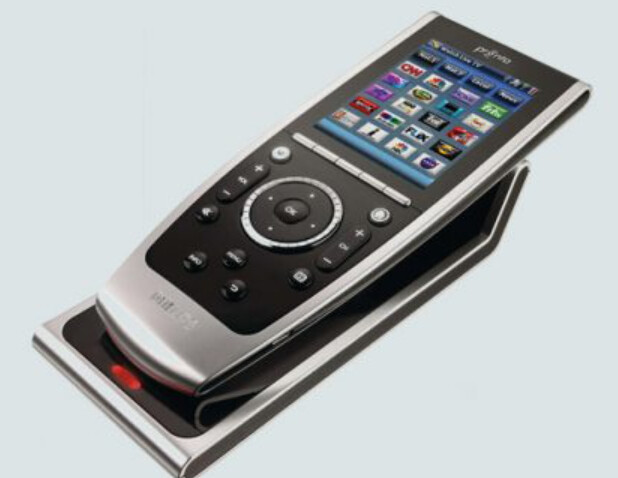
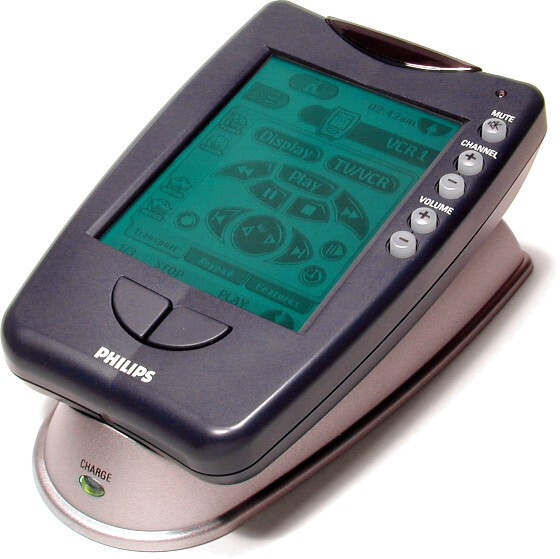
I think coming from a Pronto or a Harmony there is an expectation from a universal remote control: the “universal” part. You expect a smooth software experience and a comprehensive database of supported devices. UC has neither.
UC’s interface makes sense once you become familiar with it but becoming familiar with it takes a lot of time and effort and there are no manuals or guides - it’s all left to enthusiast videos posted on YouTube.
There is also no database to speak of. There is no IR library. You can’t just type in a brand name and select your device from a list. It’s your job to find the IR codes and hope that they are compatible.
The IP control side is also underwhelming. The integrations are not created by the company but by independent volunteers who don’t get paid a penny for their work. If tomorrow Jack Powell or MaSe would find better things to do rather than charity work for this small community, the number of available integrations would drop to a single digit number. What happens when Jack Powell and MaSe do find better things to do?
Unlike HA, UC is not an open platform. It is not a free platform. 419€ at current RRP plus import taxes is not small change and for that money most people would expect at least the same level of support as a Harmony or a Sofabaton which also happen to cost significantly less. Yes, UC is superior in some ways but I still find the IR performance / compatibility lacking and the number of available integrations underwhelming. Keeping in mind that the platform has been around for what, 4-5 years? one would expect significantly more and a lot better.
I personally got to a point where R3 can now replace my Harmony but I can see plenty of people struggling and all but the most IT savvy struggling to set this up, troubleshoot, debug and get it to work reliably. So yes, the praise is well deserved because this is the only sensibly priced alternative to installer level stuff which can do installer level stuff at a sensible price but I think the criticism from the average Joe who just wants to set it up in five minutes and forget about it, Harmony style, is also well deserved.
The manufacturer should be transparent about what UC does and what it doesn’t. About what it offers and what is left to the user to figure out. If one is willing to spend time and check the Discord channel, support documentation, videos etc you can get a pretty clear picture but that shouldn’t be necessary if the team was honest about what it offers for 419€: a work in progress which might progress in the future or might go the way of the dodo.
Again, I agree that for me and for my system UC is now a better remote than my Harmony 2400 Pro. But is there room for progress? Yes, massive room for progress starting with, for instance, supporting all the various IR protocols that can not be translated in Pronto or Raw. Or having a IR database Harmony - like in the first place. But, save for paying the big bucks for a C4, I can’t think of any alternative that can do what UC does, that can control as many devices directly or via HA, allowing the same level of customisation without paid access to a platform / installer and costing under a grand.
Would I buy one again if my R3 dies? Probably. Would I get the R4 when it comes out? Most likely, especially if it addresses the one major flaw as far as I am concerned - the wifi performance or lack of. But do I understand the criticism? Absolutely and I think it is deserved as much as the praise. UC should do better after 5 years on the market and those developers should get paid for the work they do because without them there would be no control, only a remote platform. And for the vast number of devices which are not supported with integrations on the platform, probably better to keep your Harmony or SofaBaton.
 .
. :
: